Exchanges
How to Protect Your Exchange Account: Essential Methods and Tips
Account security on a cryptocurrency exchange is one of the most important aspects for those operating in the crypto market. Unlike traditional banking systems, in the world of cryptocurrencies the responsibility…
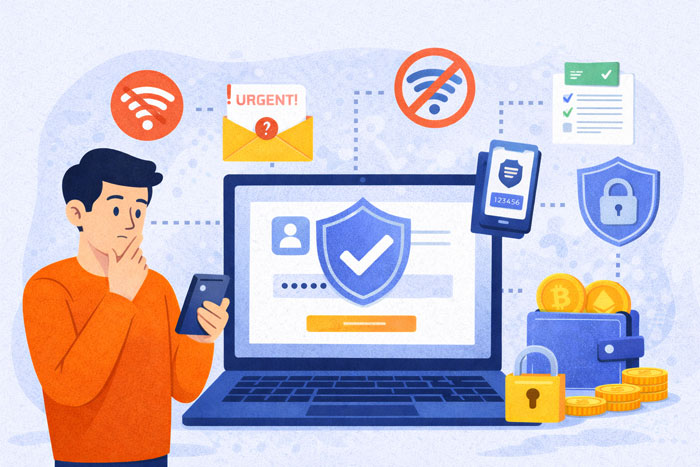
Account security on a cryptocurrency exchange is one of the most important aspects for those operating in the crypto market. Unlike traditional banking systems, in the world of cryptocurrencies the responsibility for protecting funds largely falls on the user. Knowing and applying the right security measures is essential to avoid unauthorized access, theft and irreversible losses.
The first step to protecting an exchange account is to use a secure and unique password. The password should be long, complex and never reused on other online services. Avoiding easily understandable personal information drastically reduces the risk of attacks based on automated attempts or violations of other sites.
Another essential element is the activation of two-factor authentication (2FA). This measure adds an additional layer of protection, requiring a temporary code generated by a dedicated app or sent via SMS. Even if someone were to obtain the password, without the second factor, access to the account would still be blocked.
Many exchanges offer the ability to set a whitelist of withdrawal addresses. By activating this feature, funds can only be sent to previously authorized addresses. It is a very effective protection against sudden thefts, as it prevents transfers to unknown wallets.
An often underestimated aspect concerns the security of the email associated with the account. Email is the primary recovery point for passwords and notifications. Protecting it with a strong password and 2FA is essential, as is avoiding using it for registrations on unreliable sites.
It is also advisable to regularly monitor login activities. Many exchanges show access history, with date, location and device used. Checking this information allows you to quickly identify suspicious behavior and intervene promptly.
Another good practice is to avoid accessing the exchange via public Wi-Fi networks or shared devices. These environments increase the risk of eavesdropping and malware. Using secure connections and personal devices significantly reduces the chance of your account being compromised.
For even greater protection, it is important not to store large amounts of cryptocurrencies on the exchange. Exchanges are ideal tools for trading, but they are not meant for long-term custody. Transferring funds to personal wallets reduces exposure to risks associated with centralized platforms.
Finally, staying informed about the exchange's official communications helps avoid phishing scams. Exchanges never ask for passwords or codes via email or messages. Be wary of suspicious links and always check the site address before logging in is a fundamental rule.
Protecting your exchange account does not require advanced technical skills, but attention and perseverance. Applying these simple but effective measures allows you to operate in the crypto market with greater peace of mind, significantly reducing the risks related to digital security.